
Summary:
- Laser and cryosurgery are both safe options for skin tag removal in KL. They differ in precision, cost, and suitability by skin type.
- Laser is better suited for removal on visible or delicate areas like the face, eyelids, and neck, and carries a lower risk of pigmentation changes on darker skin tones.
- Cryosurgery works well for small tags in less visible areas and is the more affordable option, especially when treating multiple tags in one session.
- Skin tone and tag location are the 2 clearest factors when deciding between methods, not price alone.
- A consultation at GTS Dermatology is the most reliable way to confirm which treatment suits your skin before any procedure begins.
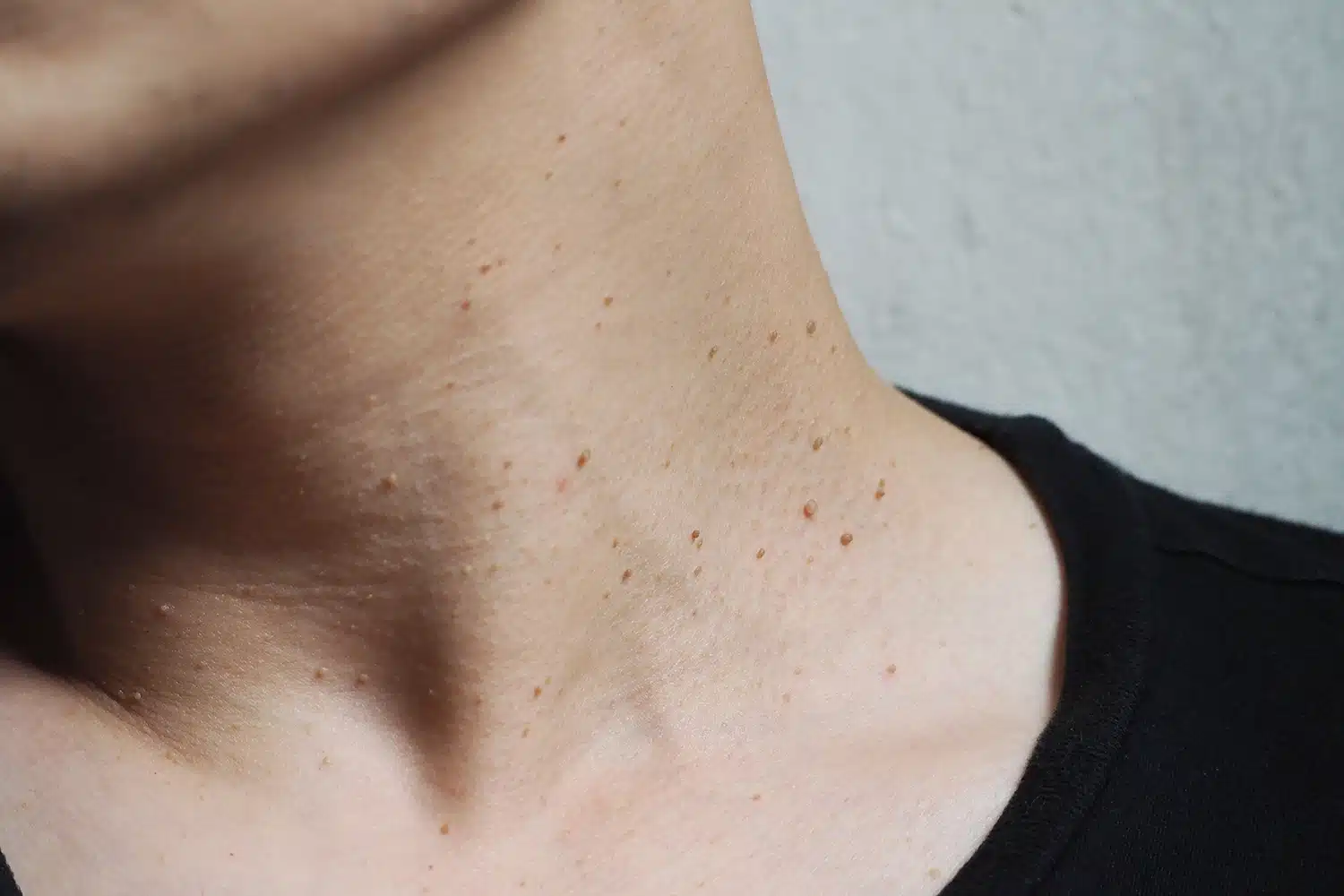
Skin tags are harmless, but they can affect your confidence when they appear on visible areas like your neck or eyelids. If you have been researching skin tag removal in KL, you have probably come across 2 options: laser and cryosurgery.
Both are effective. But they work differently, and one may be a better fit for your skin than the other. Knowing the difference helps you go into your consultation with the right questions, not just rely on price or assumptions alone.
What Is Laser Skin Tag Removal?
The laser skin tag removal method in KL uses focused light energy to vaporise tag tissue precisely. CO2 laser for skin tag removal is a standard option in dermatology clinics across Malaysia.
When done by a qualified laser dermatologist, the treatment is safe and tailored to your skin. After treatment, the area heals as the tissue sheds over several days. The laser also seals nearby blood vessels during the process. This reduces bleeding and supports a cleaner recovery.
It is especially well-suited for skin tags in sensitive or visible spots:
- Face and Eyelids: Where accuracy and a clean cosmetic finish matter most.
- Neck: A common site for tags that snag on jewellery or collars.
- Delicate Skin Areas: Where controlled, targeted energy is the safer choice.
Most patients describe the sensation as brief warmth or mild tingling. A numbing cream is applied first to keep discomfort low. Recovery is smooth, and most people return to normal activities within a few days with clean, long-lasting results.
How Does Cryosurgery Work for Skin Tags ?
Before lasers became the go-to in dermatology clinics, cryosurgery was already getting the job done. Cryosurgery skin tag treatment uses liquid nitrogen applied directly to the skin tag. The cold freezes the tissue, and over 7 to 14 days, it dies and falls away on its own.
Cryotherapy for skin tag removal is a time-tested method; dermatologists in KL have used it for decades. It works well for small, soft tags and is practical when several tags need treating in one visit:
- Multiple tags at once, since the procedure is quick per tag
- Less visible areas like underarms or torso, where cosmetic precision matters less
- Simple, uncomplicated cases with small, clearly defined tags.
One thing to raise with your doctor: pigmentation. Freezing skin tags with a dermatologist is safe overall, but cryotherapy for skin tag removal does carry a slightly higher chance of temporary pigmentation changes compared to laser. This is worth discussing if you have a medium to darker skin tone.
How the 2 Methods Compare
Both methods are low-risk and carry minimal downtime, but they are not identical. When comparing laser vs cryotherapy methods for skin tag removal in KL, the differences are worth understanding before you decide.
Here is how they stack up side by side:
| Laser | Cryosurgery | |
| How it works | Vaporises tissue with light energy for greater precision and a cleaner finish | Faster treatment where tissue is frozen with liquid nitrogen |
| Precision | High, ideal for delicate areas | Moderate, better for less visible areas |
| Sensation | Brief warmth or mild tingling | Short stinging or cold sensation |
| Recovery time | A few days up to 2 weeks | 7 to 14 days for the tag to fall off |
| Pigmentation risk | Lower, especially for darker skin tones | Slightly higher risk of temporary changes |
| Cost | Generally higher | Generally more affordable |
| Best for | Face, eyelids, neck, melanin-rich skin | Underarms, torso, multiple small tags |
Deciding which skin tag removal method is better comes down to your specific skin and situation. That is exactly why a proper consultation matters.
Not sure which method is right for your skin? A quick skin assessment with a dermatologist takes the guesswork out. Book a consultation and get a recommendation built around your skin type, tag location, and goals.
Choosing the Right Method for Your Skin
2 factors tend to guide the decision more than anything else: where the skin tag is located and what your skin tone is.
Use the table below as a starting point, then consult your dermatologist for the recommended skin tag removal method in KL for your condition.
| Your Situation | Suggested Method |
| Skin tag on face, eyelids, or neck | Laser |
| Skin tag on underarms or torso | Cryosurgery or laser |
| Darker or melanin-rich skin tone | Laser (lower pigmentation risk) |
| Multiple small tags in one session | Cryosurgery (efficient for volume) |
| Concerned about scarring or cosmetic result | Laser |
Every case is different. A dermatologist assessing skin tag removal will take into account your tag size, location, and skin type before any method is recommended. A proper skin assessment is always the right first step, particularly for skin tag removal on the face.
Get Skin Tag Removal in KL at GTS Dermatology
If you are still unsure which method suits your skin, the right next step is a proper consultation with a dermatologist. At GTS Dermatology, Dr Gan Teck Sheng brings over 13 years of experience to recommend the method most likely to produce a clean, lasting result for your skin.
Whether laser or cryosurgery is right for you depends on your skin, and a professional assessment will answer that before any treatment begins. Contact us today to book a skin tag removal consultation in KL and receive a personalised treatment plan built around your skin.