
TL;DR:
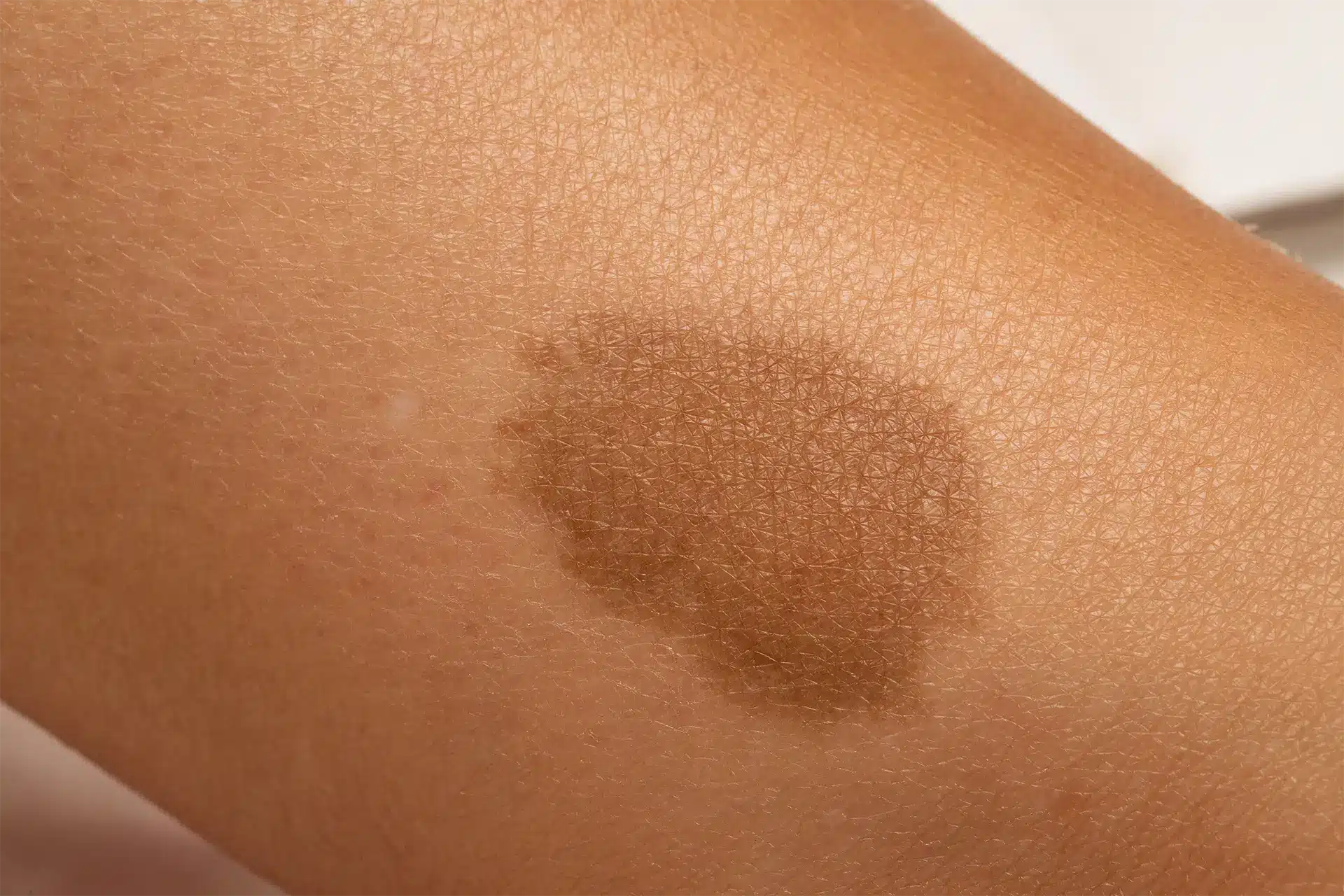
- Uneven skin tone forms when excess melanin collects in patches — often due to UV exposure, hormonal shifts (melasma) or post-inflammatory dark marks after acne or irritation
- Chemical peels lift surface pigment and smooth texture with different acids and depths, depending on downtime tolerance
- Lasers like Q-switch, pico and fractional target stubborn or deeper colour precisely with faster clearance and minimal disruption
- Your best choice depends on pigment depth, response risks, lifestyle and overall budget — gradual or high-precision pathways are available
- Peels cost less per visit but need more sessions; pico lasers achieve clearer tone with fewer appointments, ideal for busy schedules
- Long-term success requires SPF 50+, medical-grade brighteners, antioxidants and planned maintenance to prevent recurrence in Malaysia’s strong UV.
High UV levels make uneven skin tone a frequent worry in Malaysia. Whether marks follow pregnancy, acne, or daily commutes beneath the tropical sun, evidence-based dermatology can safely fade excess melanin and rebuild confidence. This concise guide weighs chemical peels against lasers, so you enter your first consultation informed and empowered.
What Causes Uneven Skin Tone?
Hyperpigmentation develops when melanocytes release excess melanin. The pigment that colours skin then clumps unevenly, creating dark patches, spots, and marks.
Sun Exposure and UV-Triggered Melanin
The sun is a major cause of pigment build-up. Ultraviolet (UV) rays switch melanocytes, your pigment-making cells, into overdrive to shield deeper skin layers. With daily UV in Malaysia, freckles and sun spots often show up earlier — especially without consistent sunscreen.
For those with Fitzpatrick skin types III to V, the skin is more reactive to sunlight, making rigorous broad-spectrum SPF a daily essential for effective management.
Hormonal Shifts: Pregnancy, Contraceptives and Melasma
Melasma forms broad, mirror-image patches of brown or grey-brown skin, most often on the cheeks, forehead and upper lip. Rising oestrogen and progesterone push melanocytes to make extra pigment.
Because hormones keep the process active, treatment prioritises gentle options, including brightening creams, antioxidants and low-heat laser protocols to avoid rebound darkening.
Post-Inflammatory Hyperpigmentation from Acne or Injury
Dark marks can follow a breakout, insect bite, or even a small cut. This change happens when the healing process signals melanocytes to release extra pigment at the injury site. Post-Inflammatory Hyperpigmentation (PIH) is especially common in darker skin tones and can linger long after acne has settled, requiring measured, gradual correction.
Chemical Peel for Pigmentation: How It Works
A low-pH chemical peel loosens the bonds that hold dead skin cells together. As the old layer sheds, fresh, brighter skin is revealed, lifting shallow pigment and refining surface texture.
Types of Acids, Depth Levels and Expected Downtime
Peels are grouped by how deep they reach into the skin, and that depth determines both the acid chosen and the downtime required.
- Superficial Peels: Gentle acids such as glycolic or lactic touch only the top skin layer. They brighten dull skin and lighten faint marks. A popular option for early maintenance or first-time pigmentation care — redness fades in a few hours.
- Medium Peels: Stronger acids like Trichloroacetic Acid (TCA) clear the whole epidermis and reach the upper dermis. They soften sun spots, acne scars and early melasma. Visible improvement typically appears after a series, balanced with 5–7 days of peeling.
- Deep Peels: Very strong phenol or high-strength TCA penetrates the mid-dermis. They treat heavy scarring and deep sun damage, reserved for significant pigmentation concerns with longer downtime and strict aftercare.
Laser Treatment for Pigmentation: A Precise Solution
Laser treatments use specific wavelengths of light energy to shatter pigment while preserving surrounding skin — ideal for deeper pigmentation or when faster clearance is desired.
Q-Switch, Pico and Fractional Lasers Explained
| Laser Type | Ideal Pigment Issue | Benefits | Limitations |
| Q-switch Nd:YAG | Sun spots, freckles, post-inflammatory hyperpigmentation on medium–dark skin | Safe for Fitzpatrick III–V, lower cost per visit | May require extra sessions for deeper pigment |
| Pico Laser | Melasma and stubborn dermal patches | Picosecond pulses minimise heat and reduce risk of rebound pigmentation | Higher treatment fee |
| Fractional Non-Ablative | Mottled tone plus texture or fine lines | Improves texture and pigment simultaneously | Redness and swelling ≈ 48 hours; strict sun care needed |
Pico laser is often recommended when pigmentation hasn’t responded well to previous methods, especially melasma.
Tired of covering stubborn dark patches? A dermatologist such as Dr Gan Teck Sheng can assess pigment depth in minutes and tailor a safer, more effective plan matching your skin’s needs.
Comparing Pigmentation Treatments: Which Suits You Best?
Choosing the right strategy depends on pigment depth, reactivity, lifestyle and results timeline.
Matching Treatment to Your Skin Tone and Concerns
Use this quick guide to see which option often works best:
- Mild Surface Unevenness & Dullness: Superficial peels to refresh clarity and maintain brightness.
- Sun Spots & Freckles:Targeted Q-switch or pico for clean, pinpoint removal.
- Melasma (Hormonal Pigmentation): Low-energy pico + medium peels + disciplined SPF for stable progress.
- Post-Inflammatory Hyperpigmentation: Low-energy pico + medium peels + disciplined SPF for stable progress.
Weighing Cost, Session Count, and Recovery Time
Balancing treatment fees, total visits, and time away from daily routines is essential when deciding how to clear pigmentation.
- Cost: Chemical peels usually cost less per visit than advanced lasers. Yet attaining similar clarity may take more sessions of chemical peels compared to pico lasers, so compare course value rather than a single appointment.
- Session Count: Peels work layer by layer, so gradual changes need more clinic visits. Pico laser reduces total visits if the budget allows.
- Recovery: Pico laser redness settles within hours, ideal for tight work schedules in Kuala Lumpur. Medium-depth peels deliver robust results but may involve longer downtime, best planned around major events.
Maintenance Plans to Minimise Recurrence
Pigmentation tends to rebound in Malaysia’s intense sunlight, so care must continue beyond the last peel or laser.
A solid upkeep plan should include:
- Daily SPF 50+: Apply a 2-finger strip to the face and neck every morning and reapply frequently when outdoors.
- Medical-Grade Brighteners: Use serums containing niacinamide, azelaic acid or tranexamic acid to steady melanocyte activity.
- Antioxidant Support: Include topical vitamin C or resveratrol to neutralise free radicals that can reactivate pigment.
- Periodic Top-Ups: Schedule a refresher peel or low-energy laser every 6–12 months, shortening the interval for pregnancy, medication changes or new breakouts.
This long-term strategy keeps melanin calm and tone even.
Ready for Clearer Skin? Book a Personalised Consultation with GTS Dermatology Today
Take the first step towards an even complexion.
Reserve your tailored pigmentation assessment and access Malaysia’s advanced medical treatments designed for safe, visible skin clarity.